ENGINEERING / MATERIAL HANDLING
Bulk Bag Conditioner vs. Lump Breaker: Which One Do You Need?
Engineering considerations: bulk bag conditioner vs. lump breaker: which one do you need. Compare handling methods, selection inputs and application limits.
Ask where the material is
If the powder remains in a closed FIBC, the decision may concern external conditioning before opening. If separate lumps are already exposed in a process stream, the decision may concern a breaker. If material has chemically changed or set, neither option can be assumed to restore its original specification.
Compare the process interfaces
A conditioner requires bag handling, access and a downstream unloading method. A breaker requires a controlled inlet, safe containment and adequate outlet clearance. Assess the complete installed process, including cleanout and foreign object handling, rather than comparing the purchase price of two machines with different duties.
State the product quality boundary
Specify the permissible residual lump size, fines and particle damage. A conditioning process seeks a workable discharge condition within the limits of packaging. A breaker acts directly on the material and may change its particle condition. Neither is interchangeable with a fine mill simply because all three can reduce visible lumps.
Use a staged assessment
Some plants may need both steps, while others need a change to storage or the unloading system. Submit the bag details, material sample and a process sketch. Ask for an explanation of the selected method and a trial plan. Keep the choice conditional until the real input and downstream acceptance criteria have been evaluated.
Hydraulic Bulk Bag Conditioner
Technical references
Flexicon: bulk bag conditioning terminology
National Bulk Equipment: application-specific conditioning
EQUIPMENT & RESOURCES
Equipment category references
- Bulk Bag Conditioner
Prepare compacted bulk bags for discharge with equipment selected around your bag, material and downstream process.
- Hydraulic Bulk Bag Conditioner
Hydraulically actuated equipment for conditioning compacted material inside suitable bulk bags before discharge.
These links explain the equipment category. They do not identify a confirmed model in the footage or guarantee suitability for a particular material.
Related equipment videos
Browse all 66 videos ↗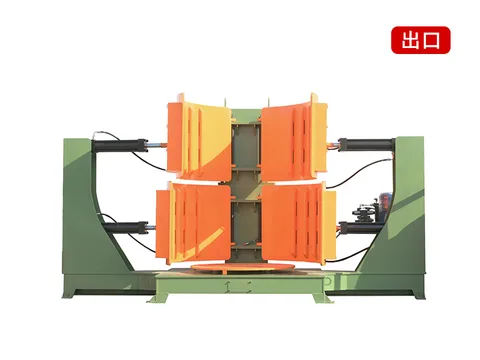
Equipment overview: material loosening, bulk bag conditioning and crushing
Watch video & equipment information ↗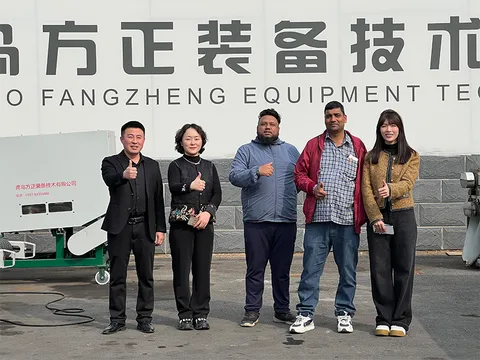
Bulk bag conditioning equipment: application footage
Watch video & equipment information ↗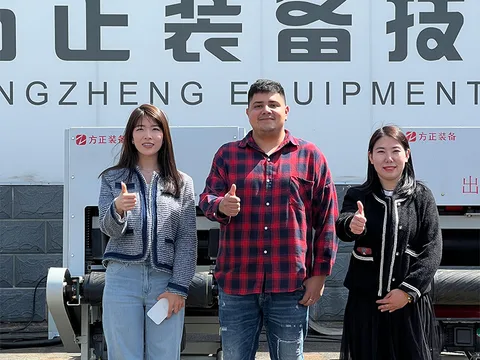
Bagged fertilizer conditioning: equipment footage
Watch video & equipment information ↗Related technical reading
Tell us what is stopping your material.
Share the material, packaging and process. Start with an application assessment.