ENGINEERING / MATERIAL HANDLING
Hydraulic vs. Pneumatic Bulk Bag Conditioners: Key Differences
Engineering considerations: hydraulic vs. pneumatic bulk bag conditioners: key differences. Compare handling methods, selection inputs and application limits.
Compare the complete mechanism
Hydraulic and pneumatic labels identify the actuation medium, not the whole conditioning process. Contact shape, stroke, force, cycle sequence and the way the bag is positioned all matter. Comparing only a pressure number is misleading because effective force also depends on actuator geometry and the system arrangement.
Begin with the required duty
Describe the hardness and distribution of the consolidated material, the bag envelope and the required process rhythm. Ask each supplier to explain how the proposed build reaches the material around the bag and how the bag is supported. Compare equipment against the same trial conditions and acceptance criteria.
Review utilities and maintenance
List available electrical and compressed-air services, maintenance skills and site constraints. Review leakage management, noise, control requirements and isolation for the proposed arrangement. These considerations are site-specific; no actuation type is automatically preferable for every powder or every factory.
Keep claims build-specific
The source catalogue supports a hydraulic Fangzheng configuration. It does not establish a separate Fangzheng pneumatic model or a performance comparison between the two. Confirm available configurations with the engineering team. The final quotation should identify the mechanism, controls, protective measures and limits that were actually agreed.
Hydraulic Bulk Bag Conditioner
Technical references
Flexicon: bulk bag conditioning terminology
National Bulk Equipment: application-specific conditioning
EQUIPMENT & RESOURCES
Equipment category references
- Bulk Bag Conditioner
Prepare compacted bulk bags for discharge with equipment selected around your bag, material and downstream process.
- Hydraulic Bulk Bag Conditioner
Hydraulically actuated equipment for conditioning compacted material inside suitable bulk bags before discharge.
These links explain the equipment category. They do not identify a confirmed model in the footage or guarantee suitability for a particular material.
Related equipment videos
Browse all 66 videos ↗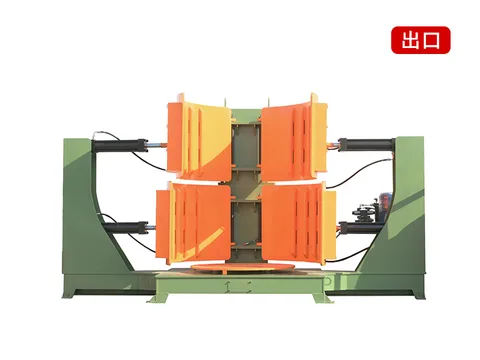
Equipment overview: material loosening, bulk bag conditioning and crushing
Watch video & equipment information ↗
Bulk bag conditioning equipment: application footage
Watch video & equipment information ↗
Bagged fertilizer conditioning: equipment footage
Watch video & equipment information ↗Related technical reading
Tell us what is stopping your material.
Share the material, packaging and process. Start with an application assessment.